
Seagrass Surveys Begin on the Brunswick River
As part of our Rewilding Our Floodplains program on the Brunswick River, we’ve been taking a closer look at one of its most vital – and often overlooked – ecosystems: seagrass meadows.
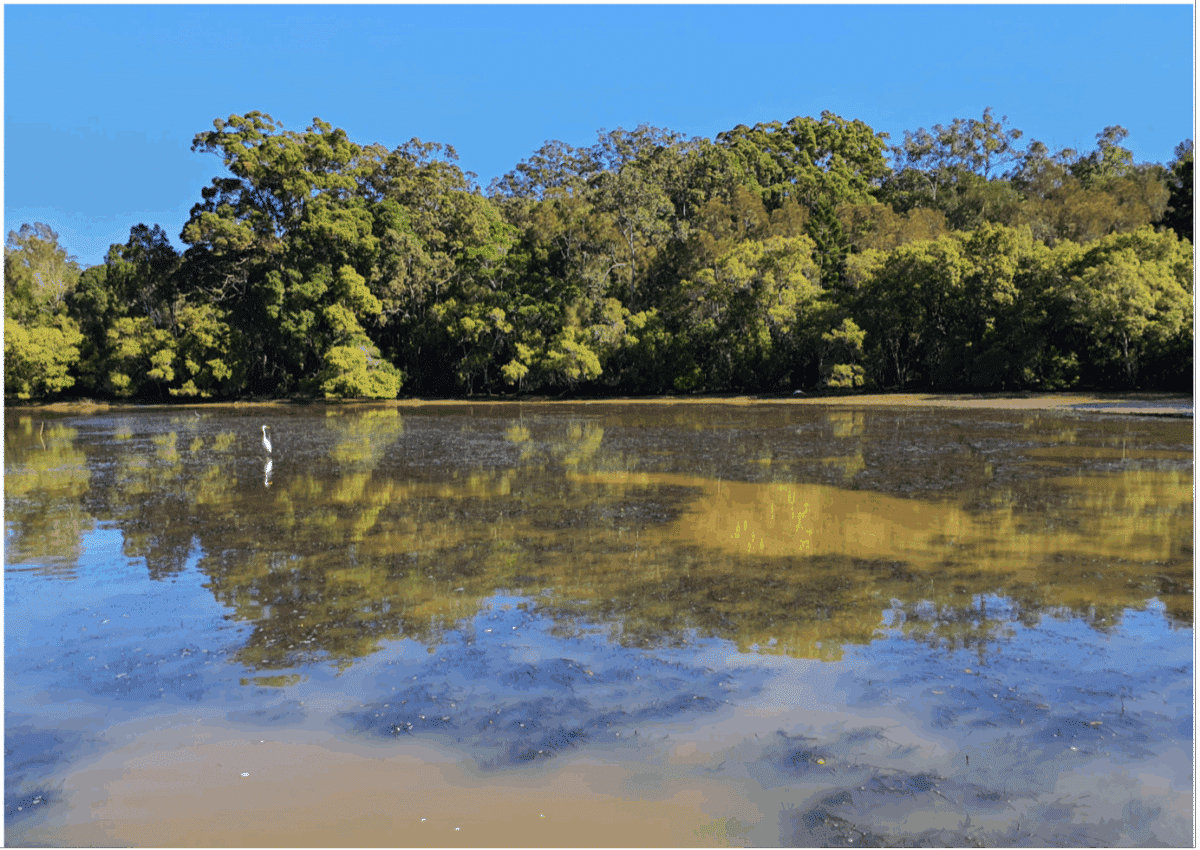
Over recent months, intern Gilli Clarke has paddled the estuary by kayak, surveying these underwater nurseries that support marine life and keep our river healthy.
Read on to learn why seagrass matters, what we’re seeing, and how you can help protect these critical blue carbon ecosystems.
What is Seagrass?
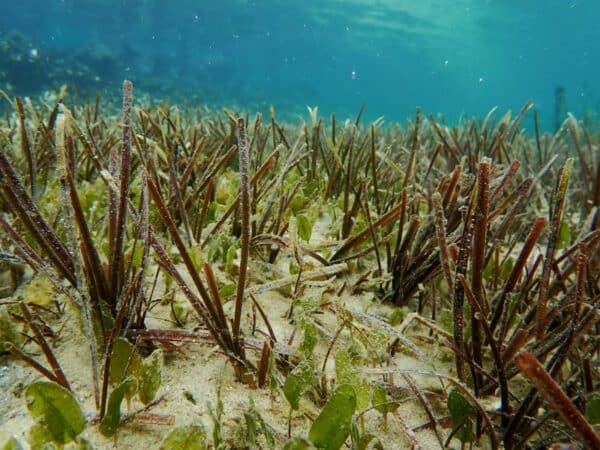
Seagrasses are flowering plants that grow in shallow coastal waters. In Australia, we are lucky to host some of the richest seagrass diversity on Earth. In Brunswick Heads, species like Eeelgrass (Zostera muelleri) create underwater meadows that support a variation of keystone species.
Where is it found?
Seagrass meadows once covered large areas of the Brunswick River’s Main Arm, Marshalls Creek, and South Arm. However, like many coastal ecosystems, they now survive mostly in sheltered, low-impact pockets guarded from human impact. Recent surveys show healthy patches are becoming harder to find.
Why is it important (and why is it disappearing)?
Seagrasses are disappearing globally at an alarming rate due to:
- Poor water quality from pollution and sediment runoff
- Physical damage from boat propellers and foot traffic
- Coastal development
- Extreme weather events, which can damage seagrass beds through smothering, siltation and other secondary impacts
Local areas where seagrass was previously recorded now show signs of decline, possibly linked to a major cyclone event earlier this year. However, we suspect that reduced water clarity may also be masking existing meadows, making visual assessment more difficult.
On a brighter note, Marshalls Creek provided a rare glimpse of resilience, with a sheltered patch of seagrass thriving where human impact was minimal.
Why should we care about seagrass?
Without seagrass:
- Fish nurseries are lost
- Coastal erosion increases
- Carbon emissions from disturbed sediment rise
- Water clarity and marine health decline
The loss of even a small amount of seagrass could have cascading effects on the health of the Brunswick River and the broader marine environment.
How you can help
- Be mindful when boating, kayaking, or walking near shallow riverbeds.
- Support local conservation projects and share the word about seagrass!
- Support Positive Change for Marine Life in future monitoring events and attend litter surveys posted through the Northern Rivers Community conservation hub Facebook group.
- Contribute to the Brunswick Heads Community Hub’s citizen science map. This resource is used to understand current ecosystem health, identify areas of concern, and explore ways the community can engage in conservation initiatives.
Want to stay updated on the efforts of Positive Change for Marine Life?
Visit our Community Hub, follow us on social media, and check out our mapping tools and resources to get involved!
We want to acknowledge the Arakwal people of the Bundjalung Nation, who are the Traditional Custodians of this land and waters. We honour their deep connection to Country and commitment to caring for the land and sea.
Our global programs need your support, help us make positive change for people and planet.


All donations are tax deductible!


